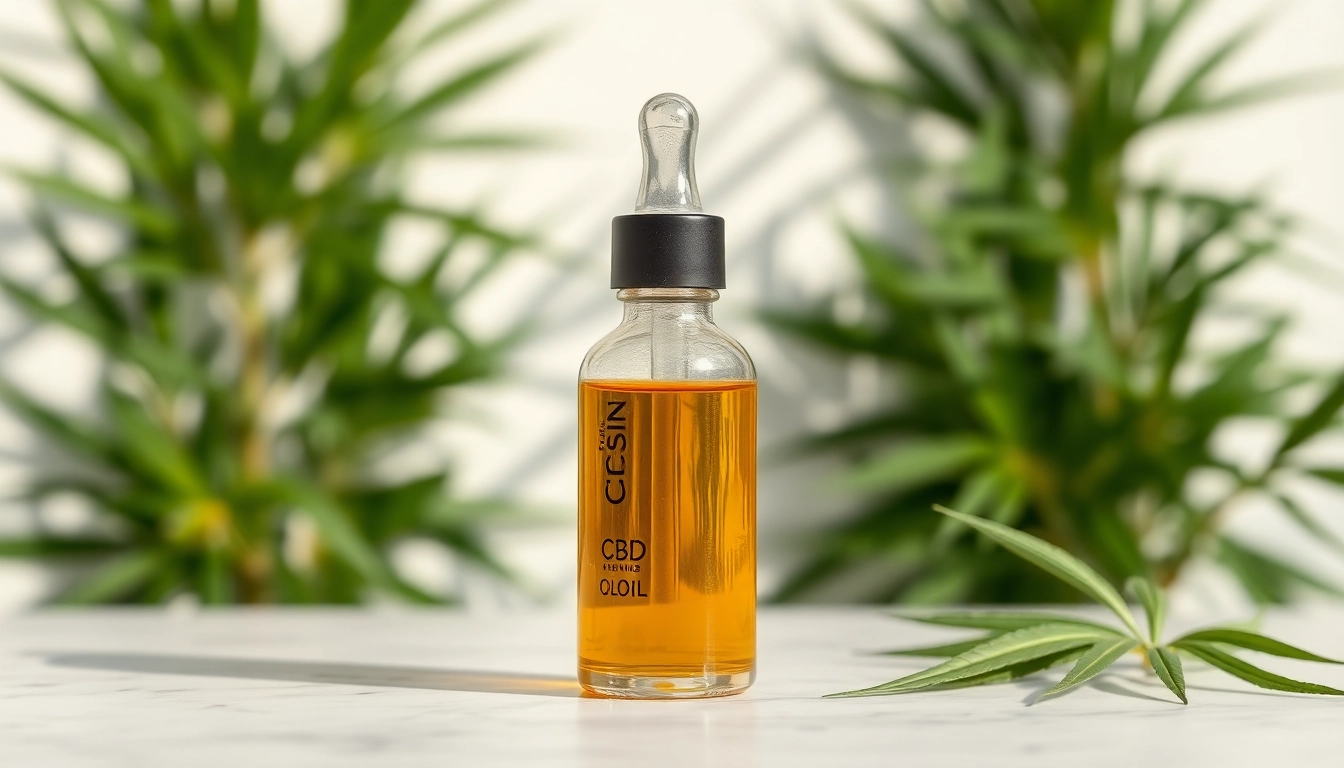
Understanding the Basics of CBD Oil
What is CBD Oil?
Cannabidiol, commonly known as CBD, is a natural compound derived from the cannabis plant. Unlike its more famous counterpart, THC (tetrahydrocannabinol), CBD does not have psychoactive properties, meaning it does not induce a “high.” This quality has led to its growing popularity as a wellness product, particularly among those seeking relief from various health issues without the mind-altering effects associated with cannabis. CBD Oil is typically formulated by extracting CBD from the cannabis plant and then diluting it with a carrier oil like coconut or hemp seed oil, which enhances absorption and enhances the compound’s effects. CBD Oil is widely used in various forms, including tinctures, capsules, edibles, and topical applications.
How is CBD Oil Made?
The production of CBD Oil involves several key steps to ensure purity and potency. First, high-quality hemp plants are cultivated, ideally in organic conditions to avoid pesticides and harmful chemicals. After harvesting, the plant material goes through an extraction process to isolate the CBD compound. There are several extraction methods, including CO2 extraction, ethanol extraction, and oil extraction, each with its advantages and potential drawbacks. CO2 extraction is often considered the gold standard as it produces a clean, potent oil without residual solvents.
Once extracted, the CBD is usually mixed with a carrier oil for better absorption. The final product is then tested for potency and purity through third-party labs to guarantee that it meets safety standards.
Legal Status of CBD Oil
The legal status of CBD Oil varies significantly depending on the jurisdiction. In some regions, CBD derived from hemp, which contains less than 0.3% THC, is legal and widely available. However, states may impose specific regulations regarding its sale and distribution. On the federal level, the 2018 Farm Bill legalized the cultivation and sale of hemp-derived CBD products across the United States, provided they meet the specified THC threshold. However, consumers should remain vigilant and confirm local laws to ensure compliance.
Health Benefits of CBD Oil
Potential Effects on Pain and Inflammation
One of the most lauded attributes of CBD Oil is its potential to alleviate pain and reduce inflammation. The endocannabinoid system, which plays a crucial role in regulating various physiological processes, is influenced by CBD. Research has shown that CBD may interact with cannabinoid receptors, leading to a decrease in pain signaling and an increase in overall pain tolerance.
A multitude of studies supports CBD’s efficacy in managing chronic pain conditions such as arthritis, multiple sclerosis, and neuropathic pain. For instance, a systematic review concluded that CBD has the potential to moderately reduce pain in various conditions, further underscoring its application in pain management regimens.
Impact on Stress and Anxiety Management
Anxiety and stress are prevalent issues in today’s fast-paced world, affecting millions. Initial studies suggest that CBD Oil may offer therapeutic benefits in treating anxiety disorders. Research indicates that CBD may help modulate the brain’s receptors responsible for regulating mood and stress. For example, a study showed that CBD significantly decreased anxiety in participants prior to public speaking, suggesting its potential as an anxiolytic. Additionally, CBD is considered to encourage better emotional resilience and overall mental well-being, providing a holistic approach to managing stress.
Role in Sleep Quality Improvement
Quality sleep is vital for overall health, yet many individuals struggle to achieve restful nights. CBD Oil may help address the underlying issues that contribute to sleep disturbances, such as anxiety and chronic pain. Some research suggests that CBD can enhance sleep quality by improving the duration of sleep and reducing instances of insomnia. By potentially reducing anxiety and discomfort, CBD may allow for a more natural sleep cycle, ultimately improving overall health and vitality.
Choosing the Right CBD Oil for Your Needs
Different Types of CBD Oil Explained
There are three primary types of CBD Oil available in the market: full-spectrum, broad-spectrum, and CBD isolate. Full-spectrum CBD Oil contains all the cannabinoids found in the cannabis plant, including trace amounts of THC but still within the legal limit. This variety is believed to create an “entourage effect,” enhancing the therapeutic benefits compared to CBD alone.
Broad-spectrum CBD Oil contains multiple cannabinoids but is THC-free. It offers many of the same benefits as full-spectrum while catering to those who wish to avoid THC entirely. Finally, CBD isolate is the purest form and contains only CBD, devoid of other cannabinoids or compounds. This option may be ideal for users who prefer a straightforward approach without the influence of other cannabinoids.
Dosage Guidelines for Beginners
When it comes to dosing CBD Oil, there is no one-size-fits-all approach. Factors such as the individual’s weight, metabolism, and the concentration of CBD in the product can significantly influence the appropriate dosage. Beginners should start with a low dose and gradually increase it based on their body’s response. A common recommendation is to start with 5-10mg of CBD per day and adjust as needed, allowing time to assess its effects before making alterations.
It is also advisable to keep a journal documenting the dosage and effects, as this can help identify the optimal dosage for the individual over time.
What to Look for on Product Labels
When purchasing CBD Oil, consumers should examine product labels for key information that indicates quality and reliability. Look for third-party lab testing results, which provide transparency and confirm that the product contains the advertised levels of CBD and is free from harmful substances. Additionally, checking for a Certificate of Analysis (COA) offers assurance of the product’s safety and purity.
Further, consumers should pay attention to the extraction method, the type of CBD used, and whether the product contains any additives, flavorings, or preservatives. Trustworthy brands will often provide detailed information regarding their sourcing and production processes.
Potential Side Effects and Safety of CBD Oil
Common Side Effects of CBD Oil
While CBD Oil is generally well-tolerated, some users may experience side effects. Commonly reported side effects include fatigue, diarrhea, changes in appetite, and dry mouth. These effects can be particularly pronounced in those who consume high doses. It is essential for individuals to monitor their body’s responses to CBD and consult with healthcare professionals, especially if they are considering integrating CBD into their wellness routine.
Interactions with Other Medications
CBD may interact with certain medications, particularly those that have a “grapefruit warning.” This includes some blood thinners and drugs metabolized through the liver. Therefore, it is crucial for individuals taking prescription medications to discuss CBD use with their healthcare provider to avoid potential interactions. The provider can offer recommendations based on individual health needs and existing medications.
Safety Considerations for Specific Populations
Special populations, such as pregnant or breastfeeding women, children, and those with specific underlying health conditions, should use caution with CBD. Limited research is available regarding its safety in these demographics, so consulting a healthcare professional is strongly recommended. For children, dosing and product safety must be carefully evaluated, as their physiological responses can differ significantly from adults.
Future Trends in CBD Oil Research and Market
Current Research Developments in CBD Oil
As the interest in CBD Oil continues to grow, research is rapidly evolving. Current studies are focusing on various therapeutic applications, including its effectiveness in treating epilepsy, neurodegenerative diseases, and its potential anti-cancer properties. Clinical trials are ongoing to explore dosage, long-term effects, and optimal formulations. This advancing research will ultimately enhance our understanding of CBD Oil’s capabilities and pave the way for more refined treatment plans for various health issues.
Market Trends and Consumer Preferences
The global CBD market is expanding, driven by rising consumer interest and increasing acceptance of cannabis-derived products. Trends indicate a shift toward higher quality, full-spectrum products, transparency in sourcing, and increased awareness of the importance of third-party testing. Moreover, consumers are favoring premium CBD products with organic certification and ethical sourcing practices, indicating a broader consideration for not just health benefits but also environmental impact.
Advancements in CBD Oil Formulations
Innovation in CBD product formulations is continuously emerging as manufacturers strive to enhance bioavailability and efficacy. New delivery methods, such as water-soluble CBD, aim to improve absorption rates compared to traditional oil formats. Additionally, the rise of nano-emulsified CBD promises even greater bioavailability, making it more effective for therapeutic use. As research progresses and consumer education expands, advancements in formulations will likely lead to more sophisticated and effective CBD Oil offerings.