
What is CBD?
Understanding Cannabidiol and Its Origins
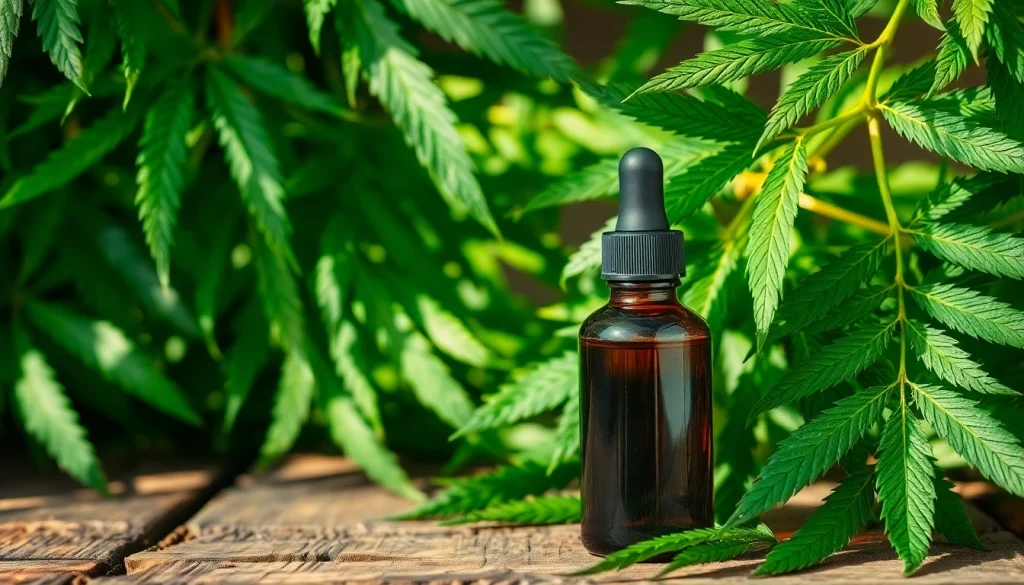
Cannabidiol, commonly known as CBD, is a prominent compound extracted from the cannabis plant. Unlike tetrahydrocannabinol (THC), the psychoactive component responsible for the high sensation, CBD is non-intoxicating and does not induce such effects. This unique quality has fueled its rising popularity as a wellness product. The origins of CBD can be traced back to ancient times, where cannabis was utilized not only for its psychoactive properties but also for its medicinal benefits. It is now recognized for its potential therapeutic properties, leading to a surge in research and consumer interest.
Derived chiefly from hemp, a variety of cannabis that contains less than 0.3% THC, CBD is legal in many states and countries, although regulations may vary. Many people are turning to CBD for its purported health benefits, ranging from pain alleviation to anxiety relief.
The Extraction Process of CBD
The extraction of CBD from cannabis involves several methods, with the most common being CO2 extraction, alcohol extraction, and oil infusion. CO2 extraction is currently regarded as the gold standard due to its efficiency and safety. This method uses carbon dioxide under high pressure and low temperatures to extract cannabinoids, terpenes, and flavonoids from the plant material. This results in a pure and high-quality CBD extract that retains the beneficial compounds of the hemp plant.
Alcohol extraction, while effective, can sometimes leave behind undesirable residues, whereas oil infusion methods typically yield lower concentrations of CBD. Understanding these extraction methods is crucial for consumers seeking high-quality CBD products, as the extraction process can significantly impact the product’s overall quality and efficacy.
Types of CBD Products Available
The market is flooded with various CBD products, each serving different consumer preferences and needs. Broadly, CBD products can be categorized into three types: full-spectrum, broad-spectrum, and CBD isolate.
- Full-spectrum CBD: This type contains all the natural compounds found in the cannabis plant, including THC (within legal limits). Advocates argue that the presence of multiple cannabinoids enhances the efficacy through a mechanism known as the “entourage effect.”
- Broad-spectrum CBD: This variant includes a wide range of cannabinoids but is devoid of THC. It is an excellent choice for those seeking the benefits of multiple cannabinoids without the risk of intoxication.
- CBD isolate: This product consists of pure CBD without any additional cannabinoids or terpenes. It is ideal for individuals who want to experience the benefits of CBD without any traces of THC.
Health Benefits of CBD
Relief from Anxiety and Mental Health Disorders
One of the most well-documented benefits of CBD is its potential to alleviate anxiety and improve mental health. Research indicates that CBD interacts with the endocannabinoid system, which plays a crucial role in regulating mood and stress. Many users report reduced levels of anxiety and an overall sense of calm after consuming CBD, making it a popular natural remedy for stress-related disorders.
Studies have shown that CBD may help manage symptoms of disorders such as generalized anxiety disorder, social anxiety disorder, and post-traumatic stress disorder (PTSD). However, more research is needed to fully understand its mechanisms and effectiveness compared to traditional therapies.
CBD for Chronic Pain Management
Chronic pain can significantly impact an individual’s quality of life, and many people are turning to CBD as a potential alternative to traditional pain management solutions. Research suggests that CBD may have anti-inflammatory properties that could help alleviate pain by interacting with receptors in the endocannabinoid system. This interaction may inhibit pain perception and reduce inflammation.
Numerous anecdotal reports and preliminary studies indicate that users have found relief from various types of pain, including arthritis, neuropathic pain, and pain resulting from multiple sclerosis. While CBD presents a promising avenue for pain relief, it is essential to approach its use with a comprehensive understanding of individual health needs and potential contraindications.
How CBD Influences Sleep and Relaxation
Sleep disorders are increasingly prevalent in our fast-paced society, leading many individuals to seek natural remedies for better sleep outcomes. CBD has gained attention for its ability to promote relaxation and improve sleep quality. Some studies suggest that CBD may help address issues such as insomnia and sleep disturbances by reducing anxiety and enhancing overall relaxation.
By interacting with the endocannabinoid system, CBD may help regulate sleep patterns, promoting a deeper and more restful sleep. Users have reported improved sleep quality and reduced nighttime awakenings after incorporating CBD into their nightly routine. Yet, more rigorous research is necessary to establish clear guidelines and dosages for those seeking CBD as a sleep aid.
Possible Side Effects and Risks of CBD
Common Side Effects of CBD Use
While many users experience positive results from CBD, it is essential to acknowledge that, like any supplement, it may come with side effects. Some of the common side effects reported include dry mouth, diarrhea, fatigue, and alterations in appetite.
In some instances, CBD can also interact with certain medications, affecting the efficacy of those drugs. For this reason, new users are encouraged to start with a low dose and monitor their body’s response before increasing the amount. Consulting healthcare professionals before incorporating CBD into one’s routine is advisable, especially for those taking prescribed medications.
Understanding CBD Interactions with Medications
CBD can potentially interact with various medications that are metabolized by the liver’s cytochrome P450 enzyme system. This interaction may lead to altered drug effectiveness and increased side effects. Common medications that may interact with CBD include blood thinners, certain antidepressants, and anti-seizure medications.
Individuals considering CBD should consult their healthcare provider for a thorough assessment of potential interactions and safety protocols. This helps ensure that CBD will complement their treatment plan without causing adverse effects.
Safety Recommendations for CBD Consumers
To maximize the safety and efficacy of CBD use, consumers should consider a variety of factors. First, it’s crucial to purchase CBD products from reputable sources that provide third-party lab testing results. These tests confirm the purity and potency of the product, ensuring it meets safety standards.
Second, starting with a low dose and gradually increasing it allows individuals to better gauge their body’s response to CBD. This approach minimizes the risk of adverse effects. Lastly, maintaining open communication with healthcare professionals about CBD use will provide additional support and guidance.
Choosing the Right CBD Product
Factors to Consider When Selecting CBD
With a plethora of CBD products on the market, making an informed choice requires careful consideration of several factors. Quality should be a top concern; thus, consumers should look for products that have undergone third-party testing and have clear labeling.
Additionally, the method of consumption is essential. CBD is available in various forms, including oils, edibles, capsules, and topical applications. Each form has its benefits, and the choice will depend on individual preferences and intended effects. Understanding the extraction method, concentration levels, and type of CBD in the product is also crucial for making an adequate selection.
Understanding CBD Potency and Dosage
Determining the correct dosage of CBD can be a complex task, as individual responses can vary widely based on factors such as body weight, metabolism, and health conditions. It is recommended that users begin with a lower potency product to identify how CBD affects them before gradually increasing their intake.
Most available products will provide dosage guidance based on weight and intended effects. Keeping a record of experiences during this exploration phase can help users find their optimal dose and product type when integrating CBD into their wellness regimen.
How to Read CBD Product Labels
Reading CBD product labels is crucial for ensuring that consumers are aware of what they are purchasing. Labels should clearly list the amount of CBD per serving, total volume of the product, type of CBD used (full-spectrum, broad-spectrum, or isolate), and any other active ingredients.
Additionally, transparency about third-party lab test results should be readily accessible. This information validates the product’s quality and safety, helping consumers make informed decisions. Familiarizing oneself with label terminology can lead to a better understanding of what each CBD product offers.
The Future of CBD Research and Regulation
Current Scientific Studies on CBD
The landscape of CBD research is continually evolving, with numerous studies exploring its therapeutic potential. Current studies investigate its efficacy in treating conditions such as epilepsy, anxiety disorders, chronic pain, and neurodegenerative diseases. Early findings suggest that CBD shows promise but highlight the need for further research to confirm its therapeutic claims.
As more scientific evidence emerges, the understanding of appropriate dosages, applications, and potential benefits will become clearer, helping practitioners and consumers navigate the evolving CBD space.
Legal Status of CBD in Different Regions
The legal status of CBD varies widely across different regions and countries. In the United States, the 2018 Farm Bill legalized hemp-derived CBD at the federal level, provided it contains less than 0.3% THC. However, individual states may have their own regulations that either restrict or permit CBD use.
Globally, the legal acceptance of CBD is also growing, with several countries recognizing its potential and adjusting legislative frameworks accordingly. Awareness of the legal landscape is crucial for consumers, particularly those who travel or reside across jurisdictions.
Predictions for the CBD Market Evolution
The future of the CBD market appears bright, with a growing number of consumers turning towards natural products for health and wellness benefits. As research sheds more light on the therapeutic potential of CBD, it is likely that new applications and formulations will emerge.
Moreover, as regulatory frameworks become more defined, consumer confidence is expected to increase leading to more innovative products entering the market. This evolution reflects consumer demand for quality CBD options tailored to individual needs and preferences.