
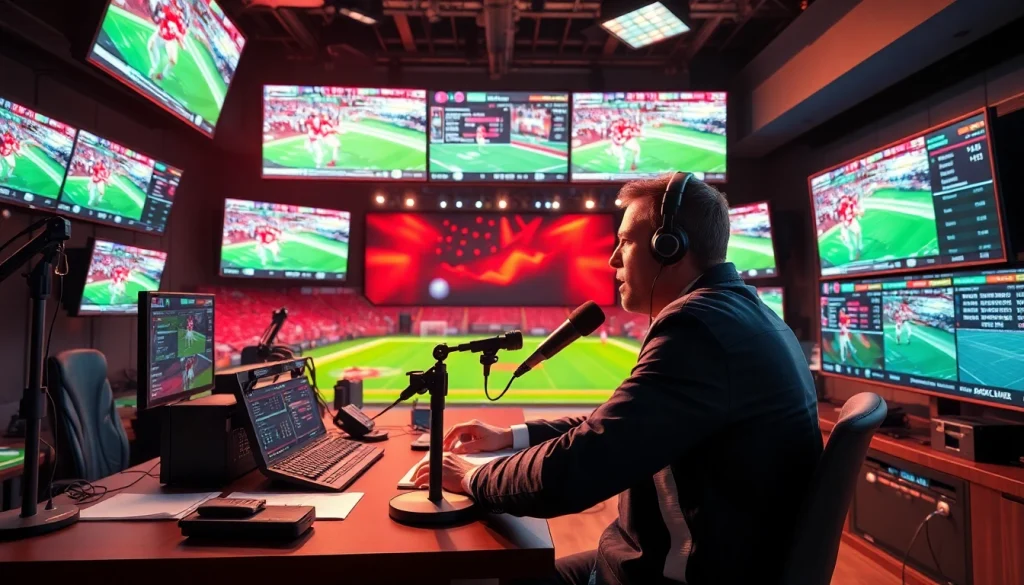
Understanding Sports Broadcasting
What is Sports Broadcasting?
Sports broadcasting refers to the live coverage of sports events and related content through various media, including television, radio, and digital platforms. This dynamic field provides an avenue for audiences to absorb real-time information, analysis, and entertainment related to their favorite sports and teams. With a mix of play-by-play commentary, expert analysis, and fan interaction, sports broadcasting has become an integral aspect of the sporting experience. Furthermore, the rise of digital content has changed how audiences engage with these broadcasts. For more insights on this evolving field, check out Sports Broadcasting.
Historical Evolution of Sports Broadcasting
Sports broadcasting has a rich history that dates back to the early 20th century. Initially, sports events were covered through printed media and later, radio broadcasts became the norm. The first significant broadcast in America was a baseball game in 1921, showcasing the power of radio to engage fans from afar. As television technology advanced, the 1950s marked a significant turning point, with sports broadcasts becoming a staple of American television. Events like the Olympics and the Super Bowl captured viewers’ imaginations and set the groundwork for the multi-billion dollar sports media industry we see today.
The Importance of Sports Broadcasting
Sports broadcasting serves several critical functions. It provides entertainment, fosters community, and generates substantial revenue for teams, leagues, and media organizations. Furthermore, broadcasting enables fans to connect with their favorite athletes and teams, regardless of geographical barriers. The coverage also plays a crucial role in the economy by driving ticket sales and merchandise purchases. With diverse platforms available today, including social media and online streaming, sports broadcasting is more accessible than ever before.
Current Trends in Sports Broadcasting
Rise of Streaming Services in Sports Broadcasting
One of the most influential trends in sports broadcasting has been the rise of streaming services. Platforms like Hulu, Amazon Prime, and dedicated sports networks have begun offering live coverage of sporting events, often accompanied by on-demand content. This shift to streaming allows fans greater flexibility to watch games, modify viewing experiences, and engage with content that caters to individual preferences. Several leagues have taken advantage of this trend by partnering with streaming services, further reshaping how audiences consume sports.
Integration of Augmented and Virtual Reality
Augmented reality (AR) and virtual reality (VR) are on the frontier of transforming sports broadcasting. AR provides immersive overlays that can enhance the viewer’s experience, such as statistics and player information during live games. Meanwhile, VR offers an alternative viewing experience, allowing fans to feel as if they are in the stadium. This technology can revolutionize the way audiences interact with events, creating a more engaged and informed fan base.
Fan Engagement Strategies in Sports Broadcasting
With fierce competition for viewer attention, broadcasters are employing innovative fan engagement strategies to enhance the viewing experience. From interactive polling during broadcasts to leveraging social media channels, these strategies aim to create a more immersive environment. Highlights include live Q&A sessions with players, behind-the-scenes content, and opportunities for fans to influence game coverage. These approaches not only enrich the viewer experience but also foster a sense of community among fans.
Technologies Shaping Sports Broadcasting
Innovations in Broadcasting Equipment
The sports broadcasting industry is constantly evolving, particularly in the realm of broadcasting equipment. New technologies, such as high-definition (HD) cameras, drones for aerial footage, and advanced audio capture systems, contribute to a richer viewing experience. Innovations like slow-motion replays and multiple camera angles provide audiences with comprehensive coverage, ensuring no critical moment goes unnoticed. These advancements enhance storytelling and engagement, which are central to modern sports broadcasts.
Data Analytics and Sports Broadcasting
Data analytics has become a cornerstone of sports broadcasting, offering valuable insights to enhance both gameplay and viewer engagement. By analyzing player performance, audience demographics, and viewing trends, broadcasters can tailor content to suit specific audiences. This data-driven approach enables more effective advertising, content creation, and strategic partnerships, ultimately enhancing the value proposition for all stakeholders involved.
Mobile App Development for Sports Broadcasting
With the growing reliance on smartphones, mobile app development has become crucial for sports broadcasting. Dedicated apps offer fans live scores, real-time updates, and customizable alerts for their favorite teams. Additionally, these apps often feature unique content, such as podcasts and highlight reels, making them essential tools for modern fans. As technology continues to advance, these mobile platforms will play an even larger role in the delivery of sports content.
Challenges in Sports Broadcasting
Regulatory and Copyright Issues
Sports broadcasting is fraught with regulatory and copyright challenges. Licensing agreements, broadcasting rights, and trademark issues complicate the landscape. Broadcasters must navigate these waters carefully, as violations can lead to significant legal consequences. Organizations also need to remain vigilant about upholding integrity and fairness in their reporting, which can be tested by the influence of sponsors and advertisers.
Keeping Up with Technological Changes
The rapid pace of technological advancement poses a significant challenge to sports broadcasters. Constant innovation demands that organizations adapt quickly to maintain a competitive edge. This might involve substantial investments in new equipment, training for staff, and upgrades to existing frameworks. Failure to do so risks obsolescence, leaving broadcasters unable to keep up with the shifting preferences of tech-savvy fans.
Competition from Alternative Media
Alternative media sources, ranging from blogs to social media channels, present growing competition for traditional sports broadcasters. Fans increasingly seek diverse ways to engage with their favorite sports, leading to a decline in traditional viewership numbers. To combat this challenge, broadcasters must innovate and provide unique, high-value content that keeps fans returning to established networks rather than smaller alternative sources.
Future Opportunities in Sports Broadcasting
Expansion of Global Sports Broadcasting
As technology continues to shrink geographical barriers, globalization presents significant growth opportunities for sports broadcasting. Markets once considered niche are increasingly accessible to foreign broadcasters, enabling them to reach untapped audiences. With localization strategies in place, sports broadcasting entities can expand their viewership, creating a more diverse fan base while generating new revenue streams.
New Revenue Models from Sports Broadcasting
In the face of changing viewer habits, broadcasters are exploring alternative revenue models. Subscription-based models, partnerships with streaming platforms, and pay-per-view approaches offer exciting avenues for monetization. Additionally, targeted advertising that leverages viewer data can further enhance profitability. As broadcasters adapt to the evolving landscape, embracing these innovative revenue models will be crucial for long-term sustainability.
Preparing for Evolving Viewer Preferences
As viewer preferences evolve, the sports broadcasting industry must remain agile, preparing for shifts towards more personalized and interactive content. Tailoring broadcasts to meet the demands of younger audiences, who prioritize engagement and interactivity, will be essential. By leveraging advanced technologies and data analytics, broadcasters can create customized experiences that cater to specific audience segments, ensuring relevance in an ever-changing landscape.
Frequently Asked Questions
What is included in Sports Broadcasting?
Sports broadcasting includes live game coverage, analysis, commentary, highlights, and related programming like interviews and documentaries.
How has technology affected Sports Broadcasting?
Technology has enhanced the quality of broadcasts and allowed for innovations like streaming, virtual reality integration, and data analytics to improve viewer engagement.
What are the challenges of Sports Broadcasting?
Challenges include regulatory issues, rapid tech innovations, audience retention amidst competition, and managing partnerships effectively.
Why is fan engagement important in Sports Broadcasting?
Fan engagement is critical as it boosts loyalty, viewership, and revenue through interactive strategies that enrich the viewing experience.
What trends are shaping the future of Sports Broadcasting?
Key trends include streaming service dominance, the rise of augmented and virtual reality, and data-driven personalization for viewers.