Understanding Large Injection Molding Machines
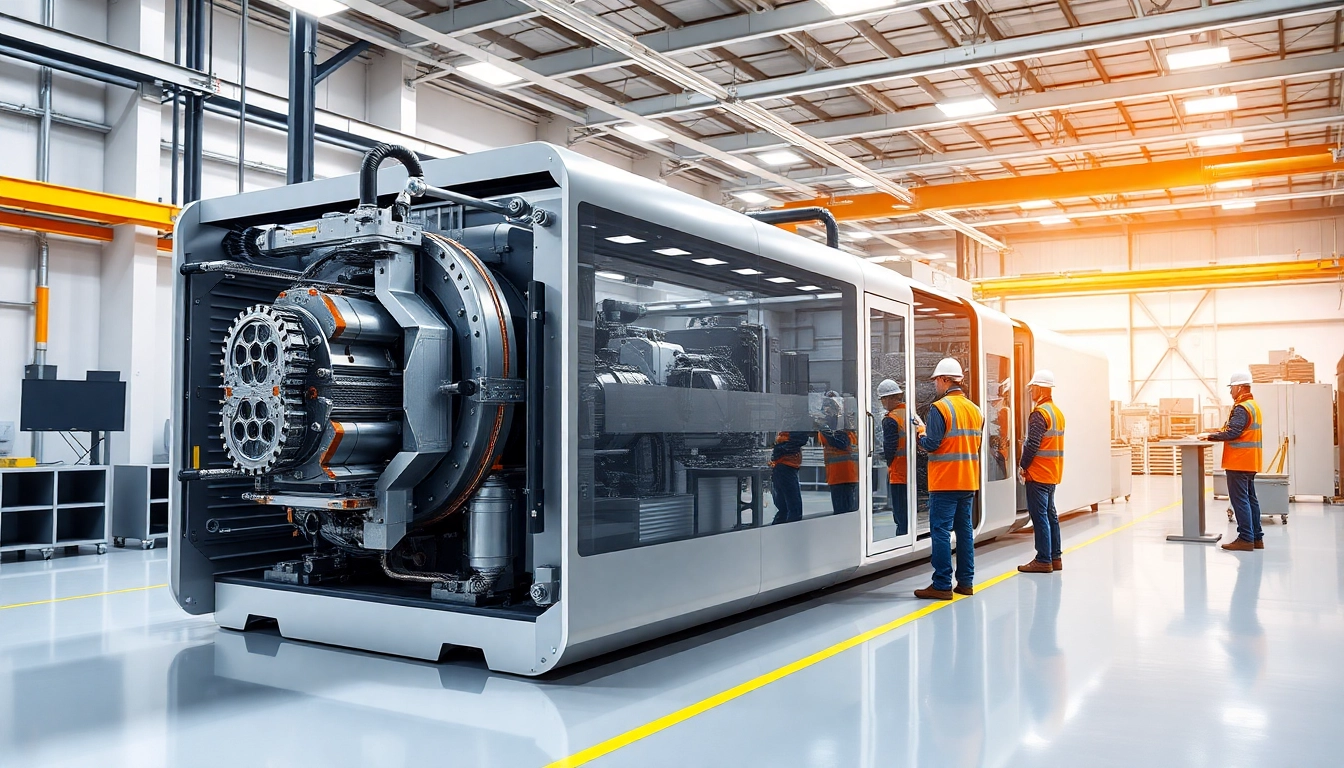
Large injection molding machines are an essential part of modern industrial manufacturing, capable of producing high volumes of complex plastic components with precision. These machines are designed to cater to a diverse range of applications, from automotive parts to consumer goods. With advancements in technology, such as electric and hybrid models, these machines offer better efficiency and reduced environmental impact. When exploring options, large injection molding machine solutions are increasingly favored for their operational advantages.
Defining Large Injection Molding Machines
Large injection molding machines are typically characterized by their tonnage capacity, which generally starts from 500 tons and can reach over 3000 tons. This classification allows for the manufacturing of larger, heavier molds and parts, essential in industries such as automotive, aerospace, and large-scale consumer electronics. Additionally, the term 'large' refers not only to the capacity but also the physical dimensions and mold size, which are critical for meeting specific production requirements.
Key Components and Features
Each large injection molding machine encompasses several key components that work together to achieve accurate and consistent production:
- Clamping Unit: This component holds the mold in place during the injection process. High-rigidity templates in the clamping unit contribute to better stability and mold protection.
- Injection Unit: It is responsible for melting and injecting raw plastic into the mold. Modular designs allow for adaptability to various applications.
- Power Unit: Engines or servos provide the required energy for the machine's operations. Electric models, for instance, are praised for their energy efficiency and reduced operational noise.
- Control System: Advanced controllers enable precise temperature and pressure settings, ensuring high-quality output. Automation and real-time feedback systems play a vital role in maintaining quality control.
Applications in Various Industries
Large injection molding machines serve a multitude of industries including:
- Automotive: Producing components like dashboards, panels, and engine parts.
- Consumer Goods: Manufacturing everyday items such as containers, toys, and appliances.
- Aerospace: Creating lightweight yet durable parts for aircraft.
- Packaging: Molding containers and packaging solutions that cater to various products.
Benefits of Using Large Injection Molding Machines
Cost Efficiency and Production Capabilities
Large injection molding machines excel in cost efficiency due to their ability to produce high quantities of parts in a single cycle. The economies of scale mean that while the initial investment may be significant, the cost per unit decreases dramatically as production volume increases. Additionally, these machines can minimize waste by using advanced metering and injection technology, allowing for precise control of material consumption.
High Precision and Quality Control
Precision in manufacturing is paramount, especially in industries that require stringent quality standards. Large injection molding machines utilize sophisticated feedback and control systems to ensure that each product meets exact specifications. They can achieve complex shapes and intricate designs without compromising quality, making them indispensable for high-stakes applications.
Environmental Considerations and Energy Savings
As industries shift towards more sustainable practices, large injection molding machines, especially electric models, provide a viable solution. These machines are designed to reduce energy consumption, with some models featuring energy recovery systems. Additionally, they often have lower emissions compared to traditional hydraulic machines, contributing to a greener manufacturing process.
Comparing Electric vs. Hybrid vs. Hydraulic Machines
Understanding the Types of Large Machines
When considering a large injection molding machine, it's crucial to understand the differences between electric, hybrid, and hydraulic models:
- Electric Machines: Known for their energy efficiency, these machines use electric motors exclusively, providing benefits such as quieter operation and lower energy costs.
- Hybrid Machines: Combining electric and hydraulic technologies, hybrid machines are versatile and suitable for various applications, ensuring both energy efficiency and robustness.
- Hydraulic Machines: These are traditional machines that utilize hydraulic fluid for operation. While generally more powerful, they may consume more energy and require more maintenance than electric models.
Performance Metrics and Efficiency Ratings
Understanding performance metrics such as cycle time, energy consumption, and yield rate is essential when selecting a large injection molding machine. Electric machines often stand out in terms of repeatability and precision, whereas hydraulic machines might excel in force and speed.
Selecting the Right Machine for Your Needs
Choosing the appropriate large injection molding machine should be based on your production requirements. Consider factors such as:
- The type of products you intend to manufacture
- Production volume and cycle time
- Space and power availability
Consulting with suppliers can provide insights into machine specifications and suitability for your business.
Future Trends in Large Injection Molding Technology
Advancements in Automation and AI Integration
The future of large injection molding machines is leaning heavily towards automation and artificial intelligence. Automation enhances productivity by allowing machines to run continuously with minimal human intervention. AI can optimize processes, predict maintenance needs, and improve quality assurance by analyzing production data in real time.
Sustainability and Eco-friendly Production Practices
As sustainability becomes a central focus, manufacturers are seeking machines that not only reduce waste but also utilize recycled materials. Large injection molding machines are evolving to incorporate bio-based and sustainable materials, which allows for greener manufacturing practices.
Predictions for Industry Evolution by 2025
By 2025, we anticipate that large injection molding technology will be more integrated with Industry 4.0 innovations. Fully automated factories, where large injection molding machines communicate with other machines and systems for seamless operation, will likely become standard. Furthermore, the demand for customization in production will drive the development of more flexible and adaptive machine architectures.
Choosing the Best Large Injection Molding Machine for Your Business
Assessing Your Production Requirements
When selecting a large injection molding machine, it is vital to thoroughly assess your production requirements. Consider not only current needs but also future growth potential. This includes evaluating the types of materials you will use, the complexity of the parts, and the expected production volume.
Evaluating Supplier Offerings and Support
Choosing a reputable supplier who offers comprehensive support is critical. This extends beyond the initial purchase to include training, maintenance, and prompt customer service. Assessing a supplier's offerings can greatly influence the overall efficiency of your production process.
Investment Considerations and ROI Analysis
Finally, it is crucial to conduct a thorough ROI analysis when investing in large injection molding machines. Factor in not just the initial costs but also long-term operational costs, potential savings from energy efficiency, and the quality of output you expect to achieve. This analysis can help you choose a machine that aligns with both your operational goals and financial objectives.