Understanding CBD Seeds: An Overview
CBD seeds play a crucial role in the world of cannabis cultivation, especially for those interested in the therapeutic benefits associated with cannabidiol (CBD). CBD, a non-psychoactive compound found in cannabis, has gained immense popularity for its potential health benefits, leading many growers to seek strains rich in this cannabinoid. When exploring options, CBD seeds offer a diverse range of cultivars designed to optimize yield and cannabinoid content, specifically tailored for both indoor and outdoor growing environments.
What are CBD Cannabis Seeds?
CBD cannabis seeds are derived from strains specifically bred to produce high levels of cannabidiol. Unlike traditional cannabis plants primarily cultivated for their THC content, CBD seeds focus on delivering therapeutic benefits without the intoxicating effects typically associated with THC. The genetic makeup of these seeds is crucial, as they have been selectively bred over generations to favor high CBD and lower THC concentrations, catering to both medical and recreational growers seeking a more balanced experience.
Differences Between CBD and THC-Dominant Seeds
The primary difference between CBD and THC-dominant seeds lies in their cannabinoid profiles. While THC (tetrahydrocannabinol) is known for its psychoactive properties, CBD offers various therapeutic advantages without inducing a high. This distinction is essential for growers and consumers alike. CBD strains are particularly appealing for those interested in the medicinal properties of cannabis, as they tend to promote relaxation and pain relief, often without the anxiety that higher THC levels can provoke.
Types of CBD Seeds: Feminized, Autoflowering, and More
CBD seeds come in various forms to suit different cultivation preferences. Here are some of the main types:
- Feminized Seeds: These seeds are bred to produce only female plants, which are the ones that yield buds with cannabinoids. This is particularly beneficial for growers looking to maximize their crop without the need to eliminate male plants.
- Autoflowering Seeds: Autoflowering CBD seeds transition from the vegetative stage to the flowering phase automatically, regardless of light cycles. This feature makes them ideal for growers seeking quicker harvests.
- Regular Seeds: Regular seeds can produce both male and female plants. This variety allows for natural breeding but requires more monitoring to ensure male plants do not pollinate females.
- Photoperiod Seeds: These seeds require specific light periods to initiate flowering, allowing more control over the growing cycle and plant size.
Choosing the Right CBD Seeds for Your Garden
Selecting the right CBD seeds involves understanding various factors that can affect the growth and yield of your plants. With numerous options available, growers must consider the following:
Factors to Consider: Genetics and Breeding
Genetics play a pivotal role in the success of any CBD crop. When choosing seeds, look for reputable breeders who provide detailed information about their strains, including cannabinoid profiles, cannabinoid ratios, and expected yields. High-quality seeds should be stabilized and bred for specific traits, enhancing the likelihood of achieving desired plant characteristics.
How to Assess CBD and THC Levels
Understanding the cannabinoid ratios in your seeds is crucial for determining the effects of the final product. Look for seeds that provide a clear indication of their CBD and THC levels. High CBD strains typically range from 10-20% CBD with low THC levels (usually below 0.3% for legal compliance). Growers should also consider third-party lab testing results to ensure accuracy and transparency in cannabinoid content.
Local Regulations and Legal Considerations
Before purchasing and cultivating CBD seeds, it's essential to familiarize yourself with local laws regarding cannabis cultivation. Regulations may vary significantly by region, affecting the legality of growing specific strains or the permissible THC content. Always ensure compliance to avoid legal repercussions. Checking state and local regulations can prevent unintended violations.
Best Practices for Cultivating CBD Seeds
Once you have selected the right CBD seeds, implementing effective cultivation techniques is vital to maximizing yield and quality. Here are some best practices to consider:
Soil Preparation and Nutrient Requirements
Preparing the right soil is fundamental for healthy cannabis growth. CBD plants thrive in well-draining soil rich in organic matter. Consider using a mix of peat, compost, and perlite for optimal aeration and moisture retention. Additionally, supplement soil with balanced nutrients, particularly nitrogen during the vegetative stage and phosphorus and potassium during flowering.
Lighting and Watering Techniques for Optimal Growth
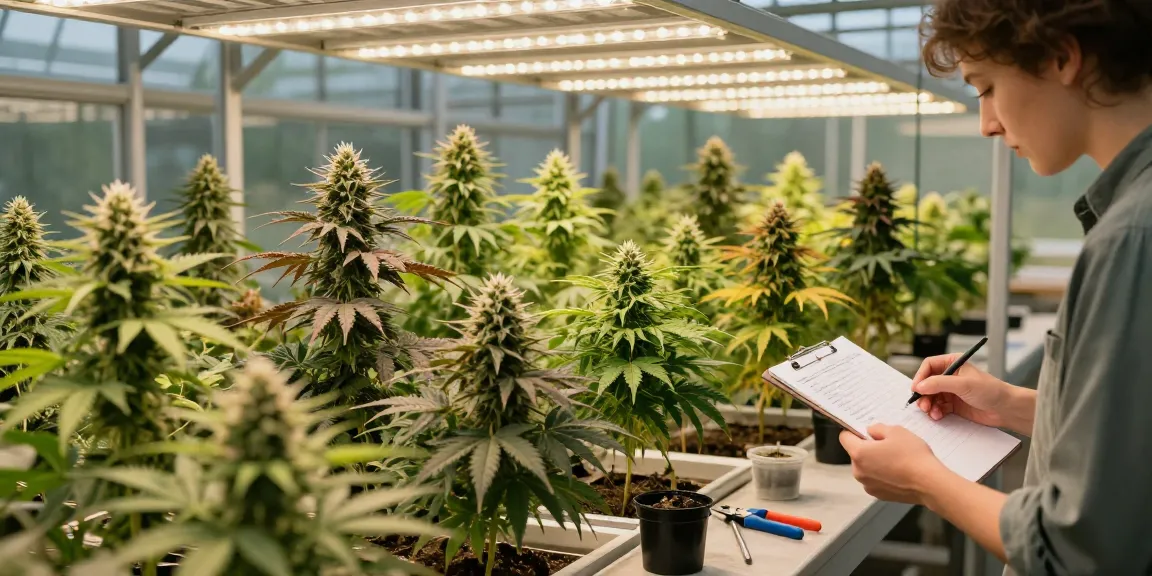
Proper lighting is essential for photoperiod strains, while autoflowering varieties will benefit from consistent light. Outdoor growers should plan for ample sunlight, while indoor cultivators will need to invest in high-quality LED or HID lights. Regarding watering, it's important to strike a balance—overwatering can lead to root rot, while underwatering can stress the plants. Ensure the soil remains moistened but not soggy.
Common Mistakes to Avoid When Growing CBD Seeds
- Overcrowding Plants: Give enough space between plants to allow for proper airflow and light penetration.
- Ignoring pH Levels: Keep soil pH between 6.0 and 7.0 to maximize nutrient absorption.
- Neglecting Pest Management: Regular monitoring for pests and diseases is crucial to prevent infestations that can affect harvests.
- Failing to Prune: Implementing regular pruning can enhance airflow and even out growth, leading to better yields.
Harvesting and Storing CBD Seeds Effectively
Proper harvesting and storage techniques are essential to maintain the viability of your CBD seeds for future planting.
When to Harvest: Signs and Timing
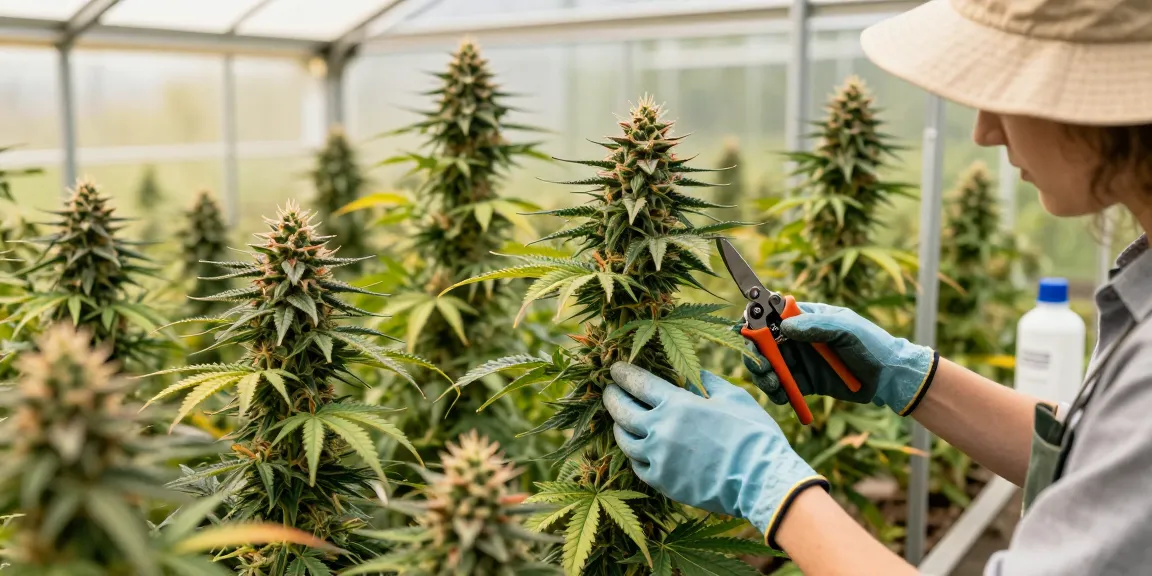
Knowing when to harvest is critical. CBD cannabis plants are usually ready for harvest when the trichomes on the buds are cloudy and some are amber, indicating the desired cannabinoid levels. Timing can vary based on the specific strain and growing conditions, so monitoring is essential.
Proper Drying and Curing Techniques
After harvesting, the drying process should take place in a dark, controlled environment with moderate humidity. This process should last about 7-14 days until the stems snap rather than bend. After drying, curing in airtight containers for several weeks can enhance flavor and preserve potency, leading to a superior end product.
Storage Solutions to Maintain Seed Viability
For those looking to store seeds for future use, it’s critical to keep them in a cool, dry place. Vacuum sealing in airtight containers or using desiccant packets can help maintain low humidity levels, preventing mold or degradation.
The Future of CBD Seed Cultivation
The landscape of CBD seed cultivation is continually evolving, with advancements in genetics, growing techniques, and consumer demands shaping the future.
Trends in CBD Genetics and Breeding Innovations
As the market for CBD products grows, breeders are developing new strains that offer enhanced therapeutic benefits. Innovations include creating hybrids that balance taste, aroma, and cannabinoid profiles to meet specific consumer needs. This trend toward customization is expected to continue as more growers seek to differentiate their products.
Impact of Technology on Cultivation Methods
Technological advancements, such as automated growing systems and precision agriculture, are revolutionizing how CBD is cultivated. Smart sensors can monitor plant health and environmental conditions, allowing for more efficient management of resources and improved crop yields. These technologies are essential for scaling operations, particularly for commercial growers.
Predictions for the CBD Seed Market in 2026 and Beyond
By 2026, the CBD seed market is anticipated to grow significantly, driven by increasing consumer interest in wellness products. As more states legalize cannabis, the demand for genetically diverse, high-quality seeds will rise. Growers will likely focus on sustainable practices and organic cultivation methods, reinforcing the importance of environmental responsibility within the industry.
Where can I buy CBD only seeds?
For those seeking to purchase CBD-only seeds, it’s important to look for reputable suppliers who provide genetic information and testing results. Many online dispensaries specialize in high-CBD varieties and offer detailed descriptions to help you make informed decisions.
What are the benefits of using high-CBD seeds?
High-CBD seeds offer numerous benefits such as reduced psychoactivity, which makes them suitable for therapeutic use without the high associated with THC. They are favored for delivering the therapeutic benefits of cannabis, including relief from anxiety, inflammation, and chronic pain.
How do I ensure compliance with local laws?
To ensure compliance with local laws, it’s essential to research your area's regulations regarding cannabis cultivation. This includes understanding limitations on THC levels, required licenses, and any restrictions on the number of plants you can grow.
What are type 3 CBD seeds?
Type 3 CBD seeds refer to cannabis strains that contain significant levels of CBD and low levels of THC, typically adhering to legal limits. These seeds are ideal for those looking to cultivate low-THC, high-CBD varieties for therapeutic use.
What challenges do beginners face with CBD cultivation?
Beginners may face several challenges in CBD cultivation, including understanding the optimal growing conditions, managing pests, and navigating legal regulations. Additionally, beginners often struggle with nutrient management and ensuring the successful germination of seeds. Education and experience will ease many of these challenges over time.