Understanding Window Tinting
What is Window Tinting?
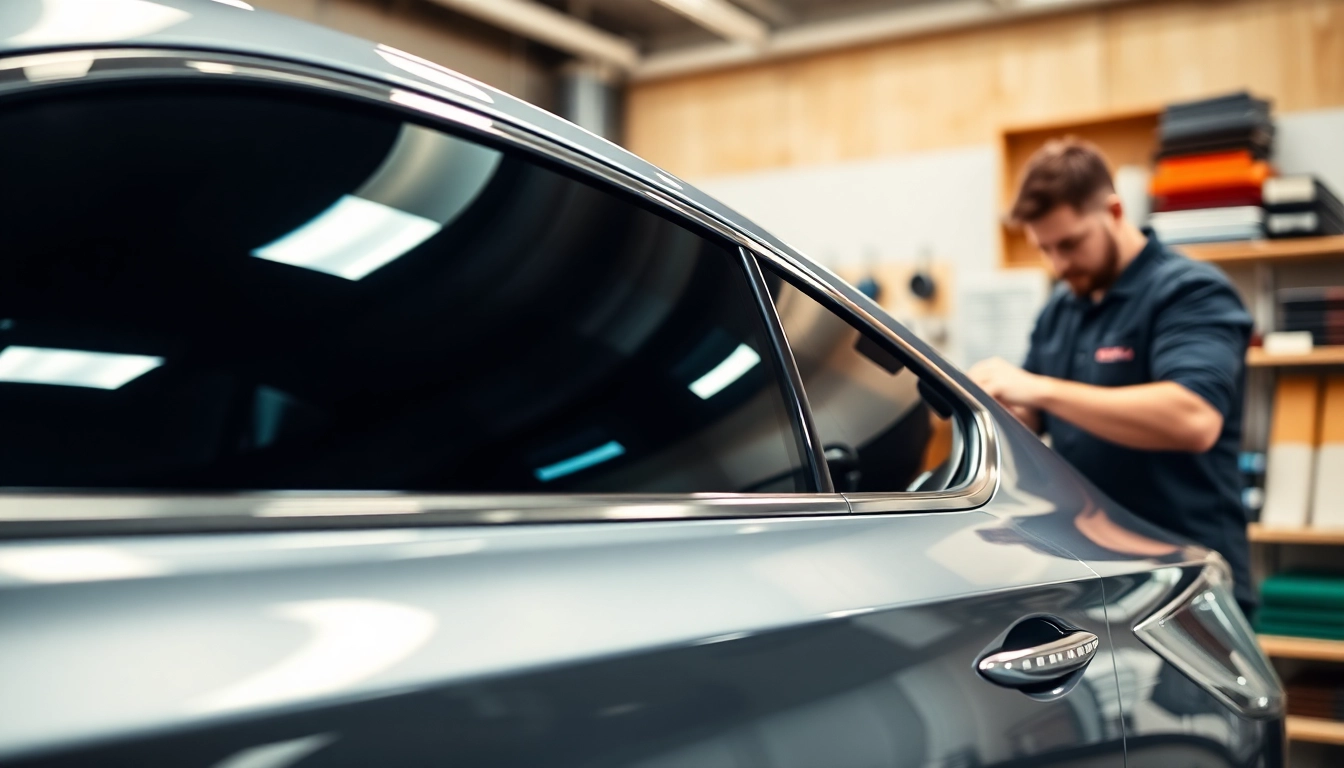
Window tinting is the process of applying a thin film to the surface of glass, typically windows in vehicles, homes, or offices. This film serves various functions, including reducing glare, protecting interior surfaces from UV rays, and enhancing privacy. As you consider options for window tinting, understanding its makeup is essential—window films are composed of polyester material coated with a layer of adhesive, allowing for adhesion to glass surfaces. Whether you are looking to enhance the aesthetic appeal of your vehicle or improve energy efficiency in your home, choosing the right window tint is crucial.
Types of Window Tint Films
Window tint films vary significantly in type and functionality. Here are the most common types:
- Dyed Window Film: This entry-level film absorbs heat and reduces glare but offers minimal UV protection.
- Metalized Window Film: This type contains metal particles that reflect heat and provide privacy while enhancing the film's durability.
- Hybrid Window Film: Combining dyed and metalized films, hybrids offer excellent heat reduction and UV protection with reduced glare.
- Ceramic Window Film: The most advanced option, this non-metalized film offers superior heat retention, UV protection, and clarity without interference with electronics.
- Carbon Window Film: Offers a matte finish with UV protection and heat reduction but is less reflective, enhancing comfort without disrupting aesthetics.
Benefits of Window Tinting
Window tinting provides a multitude of advantages:
- UV Protection: Tinted windows block up to 99% of harmful ultraviolet rays, helping to protect your skin and reduce fading of interior materials.
- Heat Reduction: By reflecting sunlight, window tinting can lead to lower energy costs, maintaining comfortable indoor temperatures.
- Enhanced Privacy: Tinted windows obscure the interior from outside view, offering privacy and security for homes and vehicles.
- Glare Reduction: Tinted films minimize glare from the sun, improving visibility and comfort while driving or working indoors.
- Aesthetic Enhancement: Tinting can provide a sleek, modern look to windows, increasing the overall appeal of a vehicle or space.
Finding the Best Window Tint Chattanooga TN
Researching Local Services
When searching for the best window tint Chattanooga TN, begin by researching local service providers. Explore online resources, directories, and social media platforms to identify businesses with established reputations. A local search helps pinpoint companies that specialize in various types of window tinting and have a history of customer satisfaction. Look for portfolios showcasing their work, as the quality of previous projects can provide valuable insight.
Customer Reviews and Testimonials
Customer reviews are crucial in evaluating window tinting services. Platforms like Google, Yelp, and Facebook often feature firsthand experiences that can help gauge service quality, punctuality, and pricing. Consider looking for testimonials on the service provider's website or other forums. High ratings and positive feedback can indicate a well-established trust with past clients, while a recurring theme of complaints signals caution.
Pricing and Value Comparisons
Examine the pricing structure of potential window tinting services. While lower costs might be appealing, they can sometimes reflect lower quality materials or poor installation practices. Compare prices among different service providers but focus on value rather than just cost. Investing in higher-quality window films and professional installation can pay off in the long run through durability and reduced maintenance costs. Look for any warranties offered, as they can also serve as an indicator of a service provider's confidence in their products.
Legal Considerations for Window Tinting
Tinting Laws in Chattanooga, TN
Familiarizing yourself with local tinting laws is essential to avoid potential fines or complications. In Chattanooga, TN, regulations determine the permissible levels of tint on vehicles for safety reasons. Usually, there are specific limits on the darkness (visible light transmission) permitted on the front windshield and the front side windows. The rear windows and rear windshield can generally have darker tints, but it’s crucial to confirm updated local regulations to ensure compliance.
Compliance with Regulations
Ensuring compliance with local tinting laws not only protects you legally but also enhances safety on the roads. Working with a reputable tinting service that knows the local regulations is beneficial. They will have the experience to recommend appropriate films and installation techniques to meet the legal standards of Chattanooga.
Consequences of Non-Compliance
Failure to adhere to window tinting laws can result in penalties ranging from fines to mandatory removal of the tint. Law enforcement can pull you over if they suspect your tint violates local regulations. Additionally, non-compliant tinting can affect visibility and safety, leading to potential accidents.
Installation Process for Window Tinting
Pre-Installation Preparations
Before installation, ensure that your vehicle or windows are thoroughly cleaned. Remove any dirt, dust, or grease from the glass surface, as this will facilitate better adhesion of the tinting film. It is advisable to schedule the installation for a day when you can avoid using the vehicle for several hours to allow for the film to cure properly.
Step-by-Step Installation Guide
- Preparation: Clean the glass thoroughly and remove any obstructions (like window trim).
- Film Cutting: Measure and cut the tint film to fit the window size precisely.
- Application: Spray a solution of water and soap onto the glass and the adhesive side of the film for easy adjustment.
- Positioning: Align the film correctly and press it against the glass, smoothing out any air bubbles.
- Trimming: Once applied, trim any excess film around the edges using a sharp blade.
- Curing: Finally, allow the film to cure, which can take between 24-48 hours before rolling down the windows.
Common Mistakes to Avoid
Several common pitfalls can lead to unsatisfactory results:
- Skip Cleaning: Neglecting to clean the glass can cause bubbles and reduce the film's longevity.
- Poor Alignment: Misalignment during application can lead to an unprofessional appearance.
- Insufficient Curing: Rolling down tinted windows prematurely can cause peeling or bubbling.
- Incorrect Tools: Using inappropriate tools can damage the film or the glass surface.
Maintaining Your Window Tint
Care and Cleaning Tips
Proper maintenance ensures the longevity of your window tint. Use a gentle cleaning solution specifically formulated for tinted windows, as harsh chemicals can degrade the film. Clean the tint with a soft cloth or sponge, avoiding abrasive materials and scrubbing too hard. Regular cleaning helps maintain clarity and prevents buildup.
Signs of a Failing Tint
Be aware of indications that your window tint may be failing. These signs often include bubbling, peeling, or discoloration of the film. If you notice decreased clarity or increased glare, these could also signal that it’s time to consider a replacement.
When to Reapply Window Tint
Typically, quality window film can last several years. However, if you observe severe bubbling, peeling, or visible damage, it’s best to reapply tint sooner. Generally, if your window tint looks inconsistent or lacks the desired performance, consider consulting a professional for replacement options.
FAQs About Window Tinting
1. Is window tinting legal in Chattanooga?
Yes, but specific regulations exist regarding transparency levels. Check local laws for exact requirements.
2. How long does window tinting last?
Quality window tint typically lasts between five to ten years, depending on the film and maintenance.
3. Can window tinting affect visibility?
Yes, darker tints can reduce visibility, especially at night. Opt for legal and safe levels of tinting.
4. What are the benefits of ceramic window film?
Ceramic window film offers superior heat rejection, UV protection, and clarity without signal interference.
5. How can I clean my tinted windows?
Use a mild soap solution and a soft cloth. Avoid ammonia-based cleaners to prevent damage to the film.