
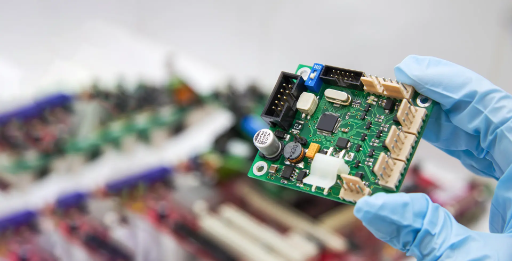
Industrial electrical connectors play a critical role in ensuring reliable power and signal transmission across a wide range of applications. From manufacturing facilities and automation systems to renewable energy projects and transportation equipment, these connectors help maintain stable electrical performance in demanding environments. Choosing the right connector is essential for achieving long-term reliability and operational efficiency.
As industrial systems become more advanced, the need for high-quality crimp connectors continues to grow. Understanding the key features to look for can help businesses select solutions that meet their specific requirements and support dependable system performance.
The Growing Importance of Industrial Electrical Connectors
Modern industrial equipment relies on numerous electrical connections to support communication, control, and power distribution. Poor-quality connectors can lead to equipment failures, maintenance issues, and costly downtime.
Industrial electrical connectors are designed to withstand challenging operating conditions while maintaining secure and efficient connections. Their role is becoming increasingly important as industries adopt more sophisticated technologies and automation systems.
Key Features of Industrial Electrical Connectors
Durability
Industrial connectors should be capable of withstanding harsh operating environments. Durable materials help ensure long service life and reliable performance under demanding conditions.
Secure Connections
A quality connector should provide a strong and stable connection that minimizes the risk of electrical interruptions and connection failures.
Environmental Protection
Many industrial applications expose connectors to dust, moisture, vibration, and temperature fluctuations. Connectors with appropriate protection features can help maintain reliable operation.
Easy Installation
Well-designed connectors simplify installation and reduce assembly time. This can improve efficiency during equipment manufacturing and maintenance procedures.
Electrical Performance
Industrial connectors should support efficient power and signal transmission while minimizing electrical resistance and performance losses.
Compatibility
Connectors should be compatible with the equipment and systems in which they are used. Proper compatibility helps ensure reliable integration and long-term functionality.
Common Applications of Industrial Electrical Connectors
Industrial electrical connectors are widely used in:
- Manufacturing equipment
- Industrial automation systems
- Renewable energy installations
- Telecommunications infrastructure
- Transportation systems
- Power distribution equipment
- Control panels
These applications require dependable connectivity to support continuous and efficient operation.
The Role of crimp connectors in Industrial Systems
Reliable electrical connections are essential for industrial performance. Crimp connectors are commonly used to create secure wire connections without the need for soldering. They provide strong mechanical and electrical contact that helps maintain consistent power flow throughout a system.
High-quality crimp connectors can improve connection reliability, reduce maintenance requirements, and support long-term system performance in demanding industrial environments.
Why wire terminals Are Important for Electrical Connectivity
Wire terminals are another important component used in industrial electrical systems. They provide secure connection points between wires and equipment, helping ensure efficient power and signal transmission.
Using dependable wire terminals can improve electrical safety, simplify maintenance procedures, and enhance overall system reliability. Their role is especially important in applications where stable electrical performance is critical.
Choosing the Right Industrial Connector
When selecting an industrial electrical connector, factors such as environmental conditions, electrical requirements, durability, and installation needs should be carefully evaluated. A properly selected connector can improve system efficiency while reducing the risk of operational disruptions.
It is also important to choose quality crimp connectors and reliable wire terminals to ensure secure and long-lasting electrical connections throughout the system.
Conclusion
Industrial electrical connectors are essential components that support reliable power and signal transmission in a wide range of applications. By focusing on key features such as durability, secure connections, environmental protection, and electrical performance, businesses can select connectors that meet their operational requirements.
When combined with high-quality crimp connectors and dependable wire terminals industrial electrical connectors help create efficient, safe, and reliable electrical systems. As industrial technologies continue to evolve, choosing the right connector solutions will remain a key factor in achieving long-term success and performance.