
Understanding the Gaming Landscape in 2026
The gaming landscape in 2026 is shaping up to be an exciting realm where innovation, player engagement, and accessibility converge. As the world of esports and online gaming continues to evolve, players and developers alike are witnessing the changing dynamics of the gaming industry. With the approach of major events like the 2026 FIFA World Cup, there’s an increasing interest in sports betting platforms that provide an immersive experience for fans. By focusing on secure and comprehensive platforms like 更多資訊, players can access the latest developments, ensuring they are well-informed and ready to engage with their favorites.
Current Trends in Esports and Online Gaming
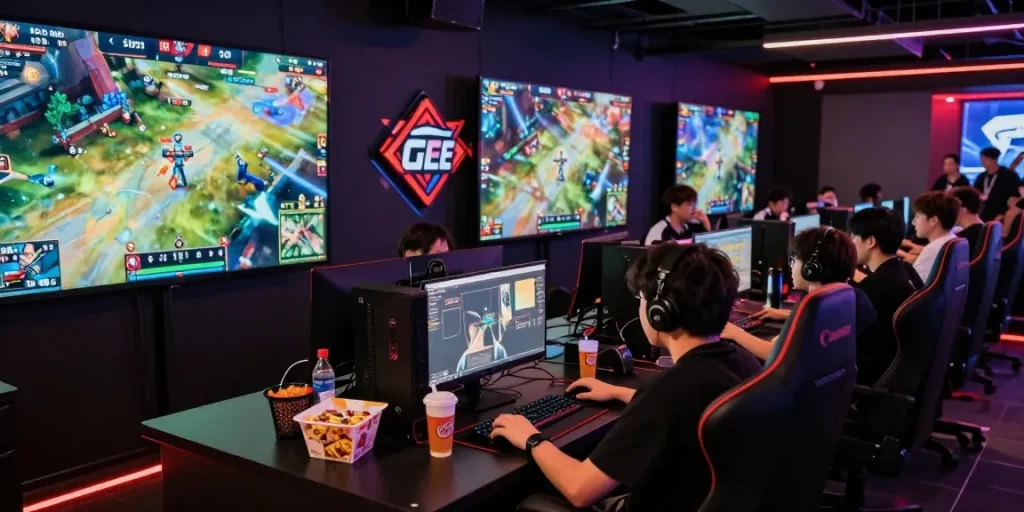
In 2026, one of the most significant trends in the gaming industry is the rise of esports as a legitimate form of entertainment. High-profile tournaments, coupled with substantial prize pools, are attracting a vast audience. Games like League of Legends and Dota 2 continue to lead, but new entries are emerging, demonstrating the market’s ever-expanding nature. Notably, mobile gaming is also surging, with titles such as PUBG Mobile and Call of Duty Mobile gaining immense popularity, enabling players to engage on-the-go.
Additionally, innovations in augmented reality (AR) and virtual reality (VR) are creating immersive environments that enhance player experience, pushing boundaries beyond conventional gaming. These technologies facilitate an engaging interplay between the player and the game world, fostering a deeper emotional connection, which is vital for retaining dedicated gamers.
The Evolution of Player Engagement
Player engagement in 2026 has transformed dramatically, with developers adopting personalized approaches to game interactions. Utilizing data analytics, gaming companies can now provide experiences tailored to individual preferences, adjusting gameplay, in-game rewards, and even narratives based on player habits. Furthermore, increased interactivity through live chats, surveys, and polls enhances community involvement, allowing users to voice their opinions and shape future game updates or features.
Gamers are also seeking social engagement, prompting platforms to create more community-driven environments. Features like guilds, clans, and cross-platform play are becoming standard, allowing players to form connections and collaborate regardless of their device, enhancing the sense of belonging within the gaming community.
Market Analysis: What Gamers Want
Market research indicates that modern gamers desire more than just standard gaming experiences. Gamers are showing a strong preference for platforms that offer diverse options – from competitive gaming to casual play. They are looking for functionalities like streaming services, seamless integration with social media, and opportunities for monetization, whether through in-game achievements or content creation.
Additionally, consumers are becoming more conscious about game ethics and developer practices, demanding transparency regarding data usage and game mechanics. This shift puts pressure on companies to build trust with their user base by providing clear communication and ethical gaming practices.
Maximizing Game Accessibility and Inclusivity
As the gaming industry grows, there’s a heightened focus on making games accessible to everyone, regardless of physical or cognitive barriers. Developers are now prioritizing inclusivity in game design, ensuring that a broader demographic can enjoy their products. This involves implementing adjustable interfaces, customizable controls, and assistive technologies that cater to different abilities. In addition, fostering inclusive gaming communities can significantly enhance the gaming experience.
Innovative Technologies Supporting Accessibility
Advancements in technology are pivotal to enhancing accessibility within gaming. Features such as voice commands, haptic feedback, and AI-assisted gameplay cater to players with disabilities, allowing them to engage fully with the gaming experience. Furthermore, programs like game development scholarships for underrepresented groups are on the rise, enabling more diverse ideas and creations in the industry.
Creating Inclusive Gaming Communities
Inclusion in gaming communities is not solely about accessibility; it also involves fostering spaces where all players feel welcomed and valued. Community guidelines that promote respectful interactions and prohibit harassment are vital. Games that facilitate collaborative play encourage team dynamics, breaking down barriers and fostering connections among diverse players.
Best Practices for Diverse Game Design
Diverse game design practices should include input from various demographic groups during development. Engaging players from different backgrounds in beta testing can provide insights that guide developers in creating engaging, relatable narratives and characters. Additionally, ensuring cultural sensitivity in game content will minimize potential backlash and criticisms while enriching the gameplay experience for everyone.
Enhancing Player Safety and Security
As online gaming gains popularity, player safety and security have become paramount. With the rise of cyber threats, ensuring a secure gaming environment is more critical than ever. Understanding regulations surrounding online gaming and implementing robust security measures can protect personal data and enhance user trust.
Understanding Online Game Regulations
Online gaming regulations vary by region, and staying compliant is essential for developers. Familiarity with laws governing data protection, consumer rights, and gambling standards can prevent legal pitfalls and foster a secure gaming environment. Developers must ensure they understand these regulations to maintain compliance and protect their players.
Protecting Personal Information in Gaming
Safeguarding personal information is crucial in the digital age. Game developers should implement encryption, two-factor authentication, and regular security audits to protect user data from breaches. Furthermore, educating players about safe practices, like recognizing phishing scams and using strong passwords, can empower them to take charge of their online security.
Identifying and Preventing Fraud in Online Platforms
Online gaming platforms must integrate systems to detect and prevent fraudulent activities. This includes monitoring in-game transactions, employing machine learning algorithms to identify suspicious behaviors, and providing players with the tools to report scams effectively. Implementing transparent policies for handling fraud can also reinforce trust between players and platforms.
Strategies for Effective Marketing in Gaming
The competitive nature of gaming necessitates innovative marketing strategies. To effectively reach their audience, gaming brands must leverage digital platforms and engage with players in meaningful ways. Using insights derived from player behavior and preferences can facilitate more effective marketing campaigns.
Utilizing Social Media for Engagement
Social media platforms serve as a valuable tool for gaming brands to connect with their audience. Regular updates, engaging content, and interactive features like polls and giveaways can keep the community engaged and informed. Furthermore, utilizing user-generated content can enhance brand visibility and authenticity, making players feel more involved in the process.
Content Marketing Strategies for Gamers
Creating relevant and valuable content is essential for attracting and maintaining player interest. Blogs, newsletters, and video content covering gaming news, strategies, and tutorials can establish a brand as an authority in the field. Additionally, optimizing content for SEO can improve visibility in search engines, driving more traffic to the gaming platform.
Collaborating with Influencers in the Gaming Community
Partnering with influencers can provide substantial exposure to gaming brands. Influencers who resonate with the target demographic can authentically showcase games, leading to higher conversion rates. It’s essential for brands to choose influencers who align with their values and ethos, ensuring their endorsement comes across as genuine.
Future Perspectives: Trends to Watch Beyond 2026
The gaming industry is constantly evolving, with several trends poised to shape its future beyond 2026. As technologies develop, they will significantly influence how players interact with games and each other.
Emerging Technologies Shaping Gaming
Augmented reality, virtual reality, and AI will continue to redefine gaming. These technologies promise to create even more immersive and interactive experiences, blending the virtual and real worlds. As advancements occur, players can expect richer narratives and gameplay mechanics that respond dynamically to individual play styles.
Predicted Changes in Gamer Behavior
As gaming becomes even more integrated into daily life, players’ behaviors are expected to evolve. The demand for flexible gaming experiences, such as cloud gaming and cross-platform capabilities, will continue rising, enabling players to engage with games seamlessly across different devices. Furthermore, as esports gain traction, more players may lean towards competitive gaming as a career path.
Preparing for the Next Generation of Gamers
Developers must consider the preferences and habits of upcoming generations. Creating games that prioritize inclusivity, interactivity, and ethical practices will be crucial in attracting younger audiences. The industry’s future will depend on its ability to adapt to changing player demographics and expectations while delivering innovative gaming experiences.
What are the key gaming trends for 2026?
The key trends for 2026 include the rise of mobile gaming, the integration of AR and VR technologies, personalized gaming experiences, and an increased focus on community engagement.
How can I ensure safety while gaming online?
To ensure safety while gaming online, use secure platforms, enable two-factor authentication, and keep personal information private. Always be cautious of unfamiliar links or requests for sensitive data.
What marketing strategies work best for gaming brands?
Effective marketing strategies for gaming brands include leveraging social media for engagement, creating valuable content, and collaborating with influencers to enhance brand visibility.
How to build an inclusive gaming community?
Building an inclusive gaming community involves fostering respectful interactions, addressing harassment, and creating spaces where players from diverse backgrounds feel welcomed and valued.
What technologies will impact the future of gaming?
Technologies such as augmented reality, virtual reality, and AI will significantly impact the future of gaming, creating immersive experiences and enhancing player interactions.