
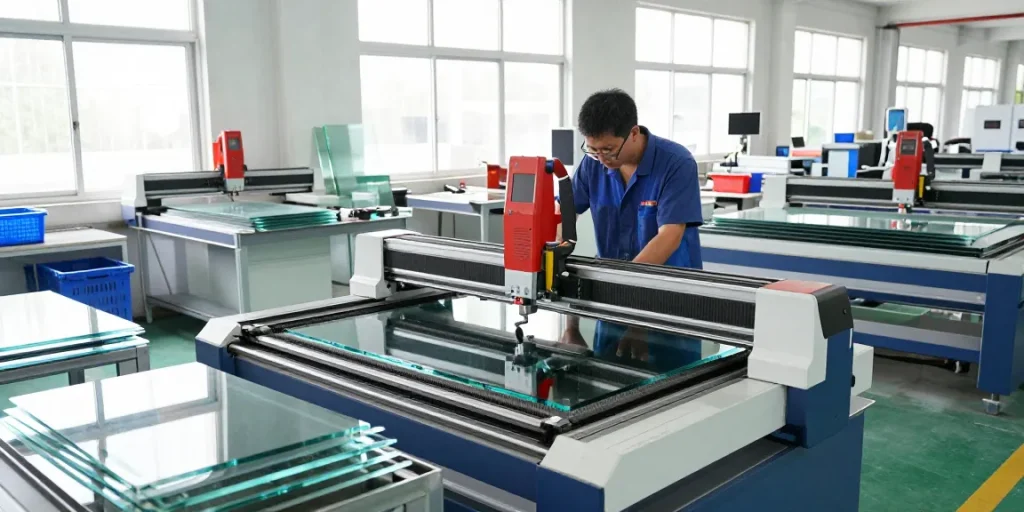
Understanding the Basics of Cutting Machine Glass
Glass processing has undergone significant advancements over the past few decades, leading to the development of sophisticated cutting machines that enhance efficiency, precision, and safety in glass fabrication. In this article, we will explore the intricacies of cutting machine glass, delving into how these machines function, the various types available in the market, and the essential role they play in modern glass processing. As businesses strive to improve their production processes, understanding these machines is crucial for staying competitive in the industry. When exploring options, cutting machine glass solutions can transform your approach to glass processing.
What is a Cutting Machine Glass?
A cutting machine glass is a specialized tool or equipment designed to precisely cut various types of glass sheets into specified shapes and sizes. These machines utilize different cutting technologies and methodologies, ranging from manual cutters to highly advanced CNC (Computer Numerical Control) systems. The primary objective of a cutting machine is to create clean and accurate cuts while minimizing waste and ensuring safety during the glass processing operation.
How Cutting Machines Function in Glass Processing
Cutting machines employ various mechanisms to slice through glass effectively. The most common technologies include:
- Scoring and Breaking: This traditional method involves scoring the glass surface with a sharp wheel and applying pressure to break the glass along the scored line.
- CNC Systems: These machines use computer-controlled movements to achieve precise cuts. They can handle complex designs and varying glass thicknesses.
- Laser Cutting: This high-tech approach uses concentrated laser beams to melt or vaporize the glass, creating intricate shapes with minimal kerf (material loss).
- Water Jet Cutting: Utilizing high-pressure water mixed with abrasive materials, this method cuts through thick glass without inducing thermal stress.
Key Types of Glass Cutting Machines
Several types of glass cutting machines cater to different needs within the industry:
- Automatic Glass Cutting Lines: These fully automated systems are capable of processing large volumes of glass with minimal human intervention, ideal for mass production.
- CNC Glass Cutting Machines: These machines offer flexibility and precision, making them perfect for intricate designs and varying glass thicknesses.
- Semi-Automatic Machines: Providing a balance between manual and automated cutting, these machines require some operator input but still enhance efficiency.
- Specialized Cutters: Machines designed for specific glass types or applications, such as laminated or tempered glass cutting.
Industry Trends and Innovations for 2026
As the glass processing industry continues to evolve, several key trends and innovations are shaping the future of cutting machines:
Emerging Technologies in Glass Cutting
Technological advancements are continuously transforming glass cutting processes. Innovations such as Artificial Intelligence (AI) and machine learning are being integrated into glass cutting operations to enhance efficiency and accuracy. Smart cutting machines can analyze production data, optimize cutting patterns, and reduce waste significantly. Additionally, the emergence of more compact and energy-efficient machines is becoming a priority, helping manufacturers reduce their environmental impact while maintaining performance.
Automation and Efficiency in Glass Production
With rising labor costs and increasing demand for high-quality glass products, automation is a significant trend in the industry. Automated systems not only increase the speed of glass processing but also enhance precision, which is critical for reducing material waste. Companies are investing in integrated solutions that streamline the entire production line, from cutting to washing and tempering, ensuring seamless operations.
Future-Proofing Your Glass Processing Operations
To remain competitive, glass processing facilities must continually invest in upgrading their machinery and adopting new technologies. Emphasizing training for staff on emerging technologies and best practices is essential for maximizing the capabilities of new equipment. Additionally, implementing data analytics can provide insights into production efficiency, allowing for proactive adjustments that can significantly improve output.
Common Challenges in Glass Cutting Operations
While cutting machines offer numerous advantages, several challenges persist in glass cutting operations:
Handling Different Glass Thicknesses
One of the primary challenges faced by glass processors is managing varying glass thicknesses. Different thicknesses may require specialized cutting tools and settings to ensure a clean cut and avoid breakage. Therefore, selecting the appropriate cutting machine and settings is crucial for maintaining production quality.
Minimizing Waste and Maximizing Efficiency
Waste reduction is a key concern in glass cutting operations. Implementing lean manufacturing principles can help organizations optimize their processes, minimize scrap, and effectively utilize raw materials. Embracing advanced cutting technologies can also turn waste into profit by recycling glass remnants into new products.
Addressing Safety Concerns in Glass Processing
Working with glass poses inherent safety risks, including potential injuries from sharp edges and breakage. Operators must be adequately trained in safety protocols, and machines should be equipped with safety features such as guards and emergency shut-off systems. Regular maintenance and inspections are essential to ensure all equipment remains in safe working condition.
Best Practices for Optimal Glass Cutting Results
To achieve the best outcomes in glass cutting operations, consider the following best practices:
Choosing the Right Machine for Your Needs
Selecting the appropriate glass cutting machine is fundamental to successful operations. Factors to consider include the types of glass you will be cutting, the required precision, and the volume of production. It’s essential to evaluate your specific needs to find a machine that balances cost-effectiveness with performance.
Maintenance Tips for Longevity of Equipment
Regular maintenance is vital to prolonging the life of glass cutting machines. Implement a routine maintenance schedule that includes cleaning, lubrication, and inspection of critical components. Addressing minor issues promptly can prevent costly repairs and downtime in the future.
Training Staff for Safety and Efficiency
Your workforce plays a crucial role in the efficiency and safety of glass processing. Providing comprehensive training on machine operation, safety protocols, and maintenance practices can ensure that employees are well-prepared to handle equipment safely and effectively.
Real-World Applications of Cutting Machine Glass
Understanding the practical applications of cutting machine glass can provide insights into its value across various industries:
Case Studies of Successful Glass Processing Facilities
Numerous glass processing facilities have successfully adopted advanced cutting machines to enhance their operations. For instance, a leading glass manufacturer in Europe implemented a state-of-the-art CNC glass cutting system, resulting in a 30% increase in throughput and a significant reduction in waste. By investing in cutting-edge technology, they improved their competitive edge in the market.
Innovative Uses of Cut Glass in Various Industries
Cut glass has versatile applications, from architecture to automotive manufacturing. The rise in demand for custom glass solutions for windows, facades, and interior designs has increased the need for precise cutting technologies. Innovative glass applications, like smart glass and decorative glass, further showcase the importance of effective cutting solutions.
Measuring Success: KPIs for Glass Cutting Operations
To assess the effectiveness of glass cutting operations, companies can track various Key Performance Indicators (KPIs) such as:
- Production Yield: The percentage of satisfactory cuts compared to total production.
- Machine Downtime: The amount of time machines are non-operational due to maintenance or repairs.
- Waste Rate: The volume or percentage of material that is scrap compared to total input.
- Operator Efficiency: The amount of output produced per operator during a specific timeframe.
What types of glass can be cut with cutting machines?
Cutting machines are versatile and can handle various types of glass, including float glass, tempered glass, laminated glass, and specialty glass types tailored for different industries.
How can I improve the efficiency of my glass cutting process?
Improving efficiency often involves investing in automation, optimizing cutting patterns, and training staff to operate machinery effectively. Implementing a robust data analysis system can also help identify bottlenecks and areas for improvement.
What safety equipment is essential in glass cutting?
Essential safety equipment includes protective eyewear, gloves, cut-resistant clothing, and face shields. Additionally, machines should incorporate safety guards and emergency stop buttons to protect operators.
Are there eco-friendly options for glass cutting machines?
Yes, many modern glass cutting machines are designed with energy efficiency in mind and incorporate features that minimize waste production. Additionally, some machines allow for the recycling of scrap glass, promoting environmental sustainability.
What are the costs associated with investing in cutting machines for glass?
The cost of cutting machines varies based on technology, capability, and manufacturer. While initial investments can be significant, the long-term savings in efficiency and waste reduction can provide a favorable return on investment.